Why desalination matters in Saudi Arabia
In Saudi Arabia, water is not just a utility; it is a strategic lifeline. With a vast arid landscape, extremely low rainfall, and rising urban and industrial demand, the kingdom has turned to desalination as one of the pillars of its water security. The logic is simple: when rivers are rare and aquifers are precious, the sea becomes the most reliable reservoir available.
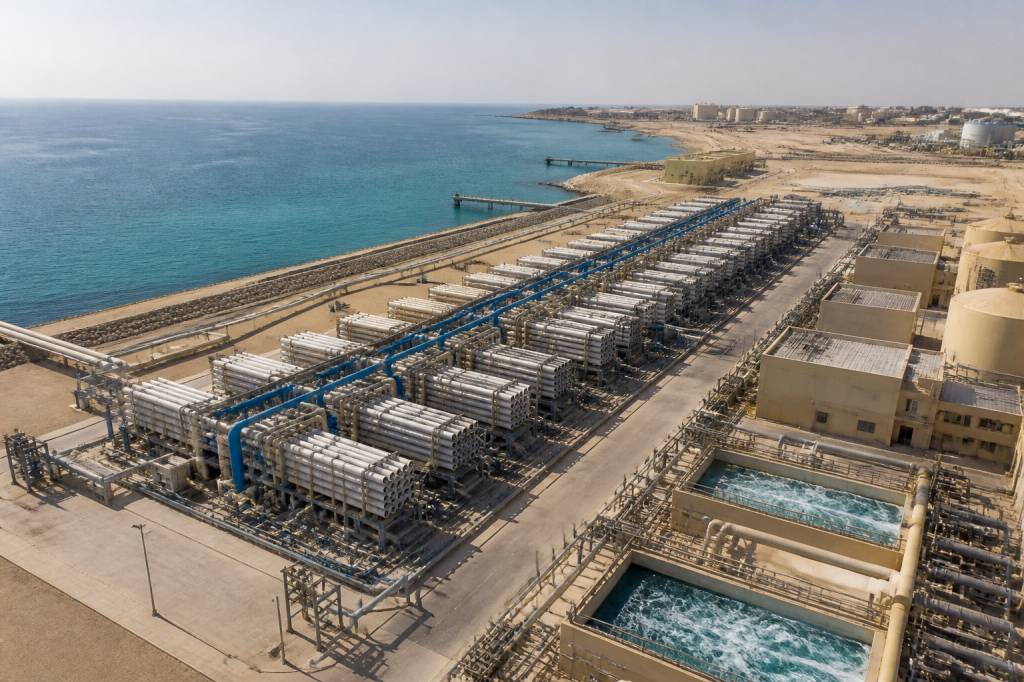
That reliance has transformed Saudi Arabia into one of the world’s largest desalination markets. From the Red Sea coast to the Arabian Gulf, plants convert seawater into potable water at a scale that would have seemed almost mythical a century ago. Yet behind every glass of desalinated water lies a chain of technologies, quality controls, and environmental trade-offs. The real story is not only about making water drinkable, but about doing so efficiently, safely, and with less harm to fragile marine ecosystems.
So, what is happening inside these plants? And what are the hidden ripples they send through the surrounding waters?
The main technologies used in Saudi desalination plants
Saudi Arabia’s desalination fleet is dominated by two major technologies: thermal desalination and reverse osmosis. Each has its strengths, weaknesses, and preferred operating conditions. Choosing between them is a bit like choosing between a heavy-duty truck and a high-efficiency electric vehicle; both get the job done, but the journey looks very different.
Thermal desalination: the old giant
Thermal desalination has long been the backbone of water production in the Gulf region. The basic idea is straightforward: heat seawater, evaporate it, then condense the vapor into fresh water. Since salts do not evaporate with the water, they are left behind in the brine.
Two thermal methods have been especially important in Saudi Arabia:
- Multi-Stage Flash (MSF): Seawater is heated and passed through several chambers with progressively lower pressure. In each stage, part of the water “flashes” into vapor, which is then condensed.
- Multi-Effect Distillation (MED): Seawater flows through a series of evaporators, each using the heat from the previous stage to improve efficiency.
MSF plants are robust and can handle high salinity and variable feedwater conditions. That resilience has made them valuable in the Gulf, where warm water temperatures and occasional algal blooms can challenge other systems. MED, meanwhile, tends to be more energy-efficient than MSF and is increasingly favored in newer installations or hybrid setups.
The catch? Thermal desalination is energy-hungry. Even when integrated with power plants to reuse waste heat, it still requires substantial fuel input. In a country committed to balancing water security with energy transition goals, this matters a great deal.
Reverse osmosis: the efficiency-driven newcomer
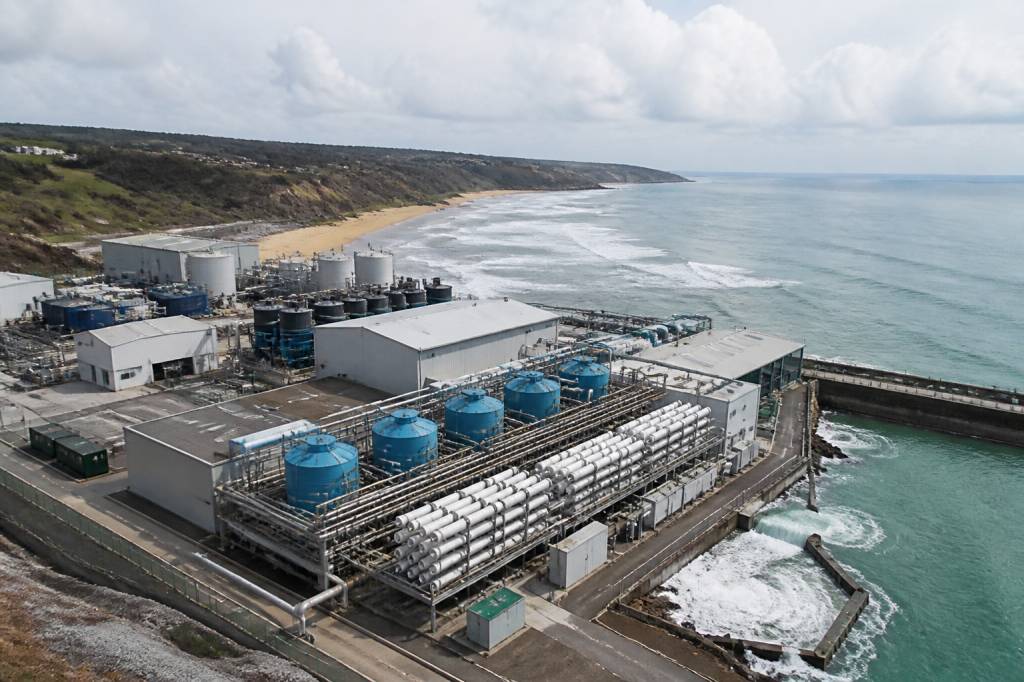
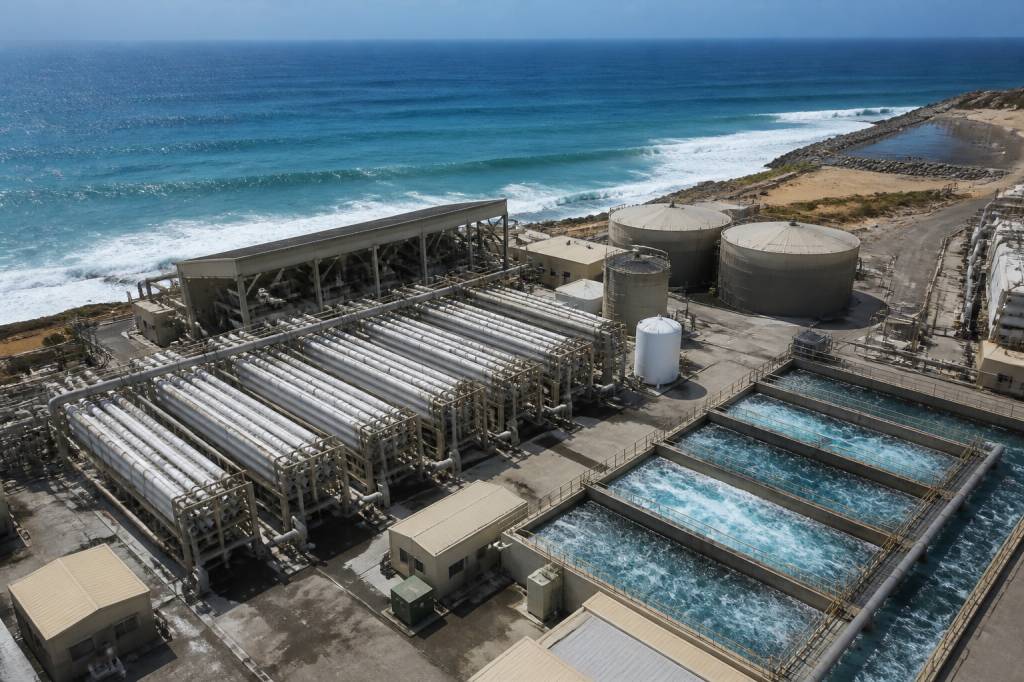
Reverse osmosis, or RO, has changed the global desalination landscape. Instead of heating seawater, it uses high pressure to push water through semi-permeable membranes. These membranes allow water molecules to pass while rejecting salts and many contaminants.
Saudi Arabia has invested heavily in RO over the past decade, and for good reason. RO plants usually consume less energy than thermal plants, especially when equipped with energy recovery devices that capture pressure from the concentrate stream and reuse it. That makes RO attractive for a country seeking to reduce operating costs and lower emissions intensity.
RO also offers modularity. Plants can be scaled up in stages, allowing utilities to match capacity with demand more flexibly. This is useful in fast-growing coastal cities where water needs can rise as quickly as summer temperatures.
Still, RO is not magic. Its membranes are sensitive to fouling from suspended solids, organic matter, microorganisms, and scaling minerals. In practical terms, seawater often needs careful pretreatment before reaching the membrane racks. Otherwise, the system clogs, performance drops, and maintenance costs climb like a dune in a desert wind.
Hybrid systems and operational resilience
Saudi Arabia increasingly uses hybrid desalination configurations that combine thermal and membrane processes. Why mix technologies? Because each one compensates for the other’s weaknesses.
For example, thermal systems provide operational stability when feedwater quality is challenging, while RO brings lower specific energy consumption. In some plants, water treatment trains are designed to shift production based on electricity availability, water demand, or maintenance cycles. This flexibility is especially valuable when demand peaks during hot months and population centers need uninterrupted supply.
Hybridization also helps utilities manage risk. If one process experiences technical issues, the other can continue contributing to output. In a nation where water interruptions are more than an inconvenience, redundancy is a feature, not a luxury.
Water quality: turning seawater into safe drinking water
Desalination is not just a matter of removing salt. It is a full water-quality transformation process. Seawater contains dissolved salts, microorganisms, particles, organic matter, and trace chemicals. The finished water must meet strict standards for drinking, distribution, and public health.
In Saudi Arabia, the quality journey typically involves several steps: intake screening, pretreatment, desalination, post-treatment, disinfection, and careful monitoring before distribution. Each stage has a different role, and each one can affect the final taste, stability, and safety of the water.
Pretreatment: the quiet hero
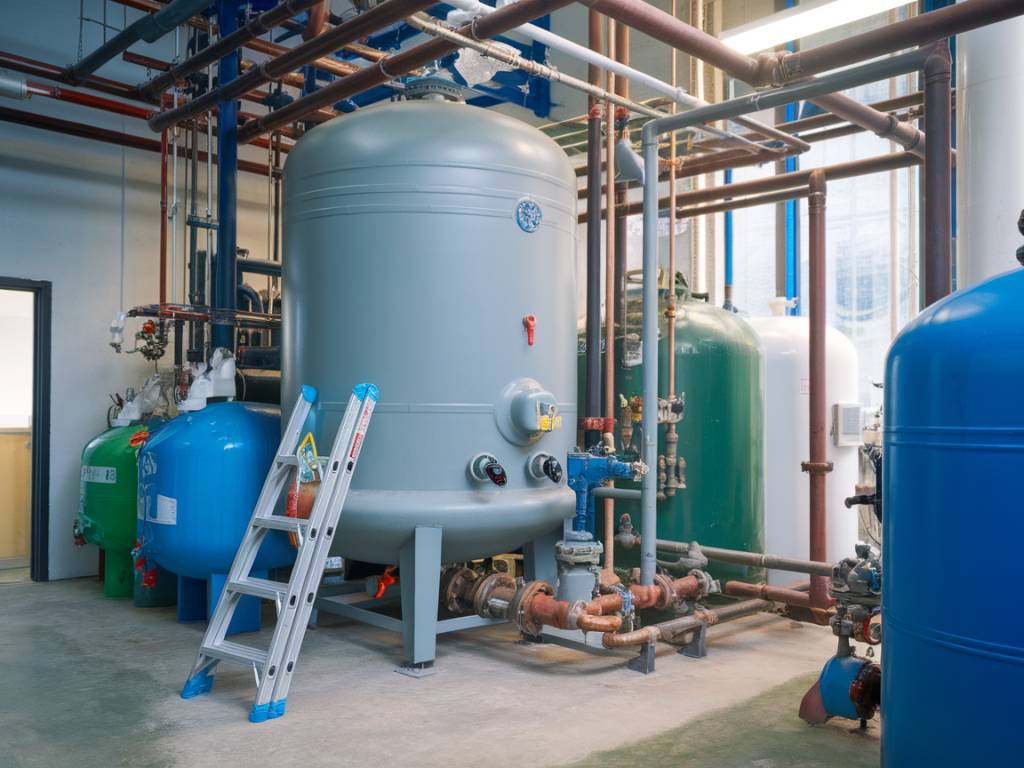
Pretreatment is often overlooked, but it is the unsung guardian of plant performance. Before seawater enters RO membranes or thermal units, it usually passes through screens, filtration systems, and chemical dosing steps designed to remove debris, reduce turbidity, and limit biological growth.
Common pretreatment methods include:
- Coarse and fine screening to remove larger debris like seaweed and suspended solids.
- Coagulation and flocculation to bind tiny particles into larger clusters that can be filtered more easily.
- Media filtration or ultrafiltration to polish the water before it reaches sensitive equipment.
- Antiscalants and biocides to reduce mineral scaling and microbial fouling.
The Gulf’s coastal waters can be challenging, with periods of high temperature, high salinity, and biological activity. Pretreatment therefore becomes more than a technical prelude; it is the difference between smooth operation and a membrane headache nobody wants.
Post-treatment: making water distribution-ready
Desalinated water is often very low in minerals after production. That is good for salt removal, but not always ideal for distribution. Water that is too “soft” can be corrosive, which means it may damage pipes and plumbing over time.
To solve this, plants usually apply post-treatment steps such as remineralization, pH adjustment, and disinfection. Calcium compounds or carbon dioxide may be added to stabilize the water and improve taste. Chlorination or other disinfection methods then provide a protective residual as the water travels through the network.
This is where water quality becomes both a science and a social contract. People expect water that is safe, stable, and pleasant to drink. The plant’s job is not finished when the salt is removed; it is finished when the water arrives at the tap in good condition.
Monitoring and quality control in a high-stakes system
Large desalination systems in Saudi Arabia rely on continuous monitoring. Parameters such as salinity, turbidity, pH, temperature, dissolved oxygen, residual disinfectant, and microbial indicators are tracked to ensure compliance with standards and to detect problems early.
Digital instrumentation and automation now play a central role. Operators use sensors, control systems, and predictive analytics to optimize chemical dosing, membrane cleaning schedules, and energy consumption. In many plants, the shift from reactive maintenance to data-driven operation has improved reliability and reduced waste.
This matters because water quality in desalination is not static. A sudden algal bloom, a storm, or a change in feedwater temperature can alter plant performance quickly. Real-time monitoring acts like the plant’s nervous system, alerting operators before small disturbances become large ones.
The environmental impact: what the sea gives, and what it receives back
Desalination solves one environmental problem while creating another set of pressures. It reduces dependence on overdrawn groundwater and climate-sensitive surface water, which is a major benefit in a water-scarce region. But the process itself has environmental consequences that deserve attention.
The two most discussed issues are energy use and brine discharge. Both are manageable, but neither is trivial.
Energy consumption and emissions
Desalination is energy intensive, particularly thermal processes. When that energy comes from fossil fuels, the associated greenhouse gas emissions can be significant. Saudi Arabia has been working to improve energy efficiency and expand renewable energy, but the water sector still has a large carbon footprint.
RO has helped reduce specific energy demand, and energy recovery devices have made a major difference. Still, the broader climate equation remains important. If desalination is to support long-term water resilience, its power supply must gradually become cleaner. Otherwise, the solution to drought risks may deepen another environmental challenge.
There is a growing interest in coupling desalination with solar power, especially in a country blessed with abundant sunlight. That alignment is technically attractive, but large-scale integration requires grid stability, storage, and careful economics. The sun shines brilliantly in Saudi Arabia, but water plants need reliability at all hours, not only in the afternoon glow.
Brine discharge and marine ecosystems
For every liter of fresh water produced, desalination generates a concentrated brine stream laden with salts and sometimes treatment chemicals. When this brine is discharged back into the sea, it can locally increase salinity, temperature, and chemical load around the outfall.
In enclosed or shallow coastal zones, these changes may stress seagrass beds, coral communities, benthic organisms, and fish nurseries. The Gulf is particularly sensitive because its waters are relatively warm and shallow, and circulation can be limited in some areas. That makes brine management a serious environmental issue rather than an abstract engineering footnote.
Potential mitigation measures include:
- Diffuser systems that spread brine more effectively and reduce concentration at the outfall.
- Careful siting to avoid ecologically sensitive habitats.
- Blending discharge with other effluents to lower salinity peaks.
- Resource recovery approaches that extract minerals from brine, reducing waste and creating value.
None of these measures eliminates impact entirely, but they can reduce the intensity of local stress. In environmental management, that is often the game: not perfection, but meaningful reduction.
Chemicals, intake systems, and biodiversity concerns
Desalination plants also interact with the marine environment through intake systems. Seawater intakes may draw in plankton, larvae, and small organisms, a phenomenon known as entrainment. Larger organisms can be trapped against intake screens, causing impingement. These effects can be minimized through better intake design, lower intake velocities, and submerged or offshore intake configurations.
Chemicals used in pretreatment and cleaning, if not managed properly, may also enter the marine environment. Chlorine, coagulants, acids, and antiscalants are all useful tools, but they must be handled with precision. The rule here is simple: a process that purifies water should not quietly pollute the place it borrows from.
Innovation on the horizon
Saudi Arabia is not standing still. The desalination sector is evolving through improved membranes, smarter energy recovery, digital optimization, and more sustainable brine management. New membrane materials aim to increase salt rejection while reducing fouling. Advanced sensors and machine-learning tools help operators anticipate performance shifts before they escalate. Thermal systems are being redesigned for better efficiency, and hybrid plants are becoming more sophisticated.
There is also increasing interest in circular approaches. Instead of treating brine as waste, some projects explore its use as a source of minerals such as magnesium, sodium chloride, or even industrial feedstocks. This idea is still developing, but it reflects a broader shift: from linear water production to systems thinking.
That shift is essential. In the desert, every drop tells a story of energy, chemistry, and ecology. The future of desalination will depend not only on how much water a plant can produce, but on how intelligently it can coexist with the coast that hosts it.
What Saudi Arabia’s desalination model teaches the wider world
Saudi Arabia offers a powerful case study for regions facing water scarcity, especially coastal countries with growing populations and limited freshwater resources. Its desalination infrastructure shows what is possible when water security becomes a national priority. It also shows the limits of relying on technology alone.
The lesson is not “desalinate at all costs.” It is more nuanced: integrate desalination into a broader water strategy that includes demand management, leakage reduction, wastewater reuse, groundwater protection, and cleaner energy. In other words, make desalination one current in a larger river of resilience.
For water professionals, environmental analysts, and policy makers, the Saudi experience is a reminder that good engineering must travel with ecological responsibility. If the sea is to be a source of life, it must not become a silent casualty of our thirst.
A system built on precision, but shaped by balance
Desalination plants in Saudi Arabia are feats of modern infrastructure. They transform seawater into safe drinking water through an intricate sequence of pretreatment, separation, post-treatment, and monitoring. They support cities, industries, and daily life in one of the driest regions on Earth.
Yet their success depends on more than technical output. It depends on how carefully they manage energy use, how responsibly they handle brine, how thoroughly they protect marine ecosystems, and how effectively they adapt to future demands. The challenge is not simply to make water from the sea. It is to do so with enough wisdom that the sea remains healthy too.
And that, perhaps, is the deeper lesson of desalination in Saudi Arabia: the most advanced water systems are not those that dominate nature, but those that learn to flow alongside it.